Skip to content
  • Color, Weather, and Argument in Van Gogh

    June 10, 2024
    Art History, Visual Culture
    Color, Weather, and Argument in Van Gogh

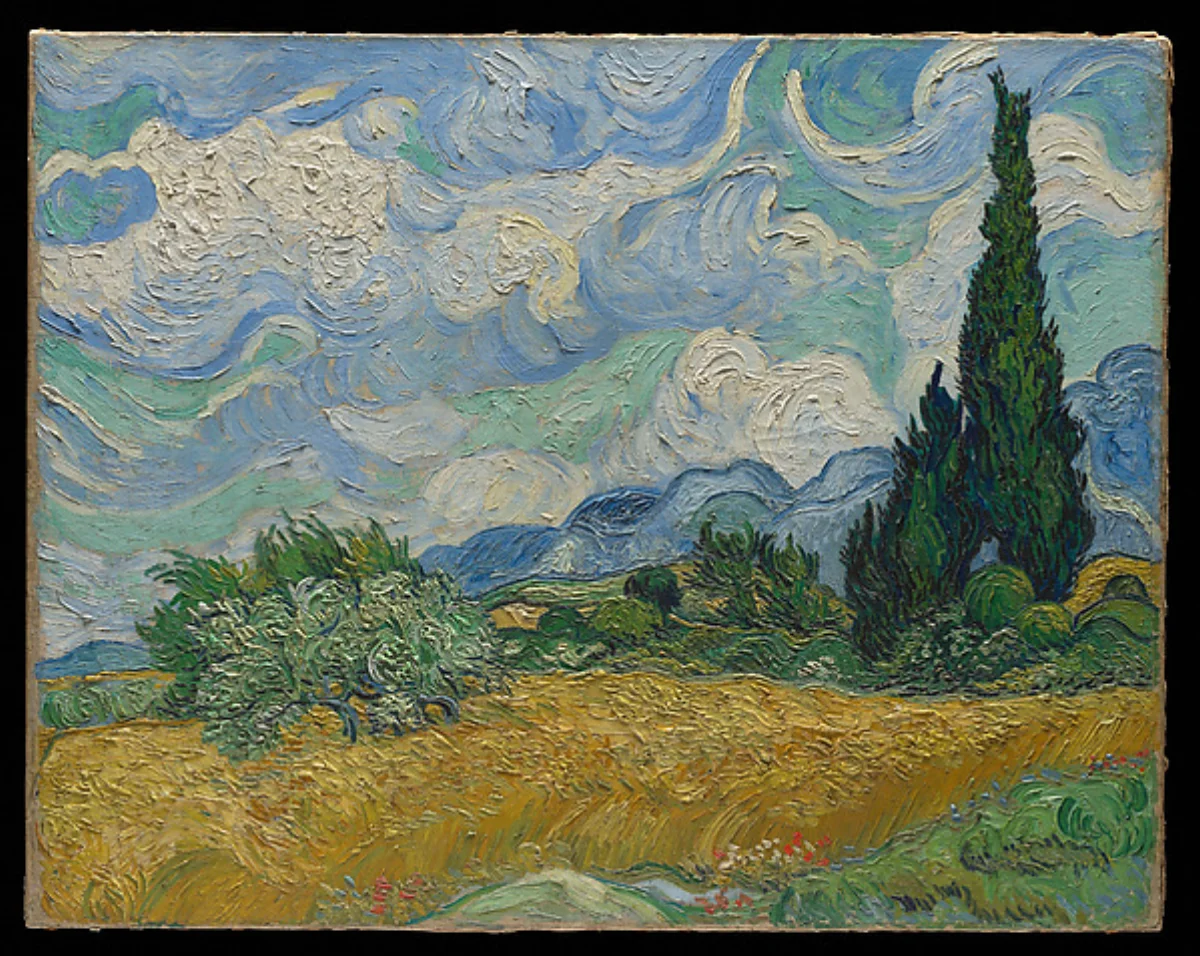
    Vincent van Gogh’s Wheat Field with Cypresses does not simply describe weather. It organizes weather into pressure, rhythm, and counterpoint.

    The cypress rises like a dark grammatical mark against the moving field, while the sky refuses to stay background. The painting asks us to read landscape as argument rather than scenery.

    That is the academic usefulness of the image: it makes form visible as a way of thinking.

    No comments on Color, Weather, and Argument in Van Gogh
  • A Vermeer Face and the Problem of Attention

    June 4, 2024
    Art History, Close Reading
    A Vermeer Face and the Problem of Attention

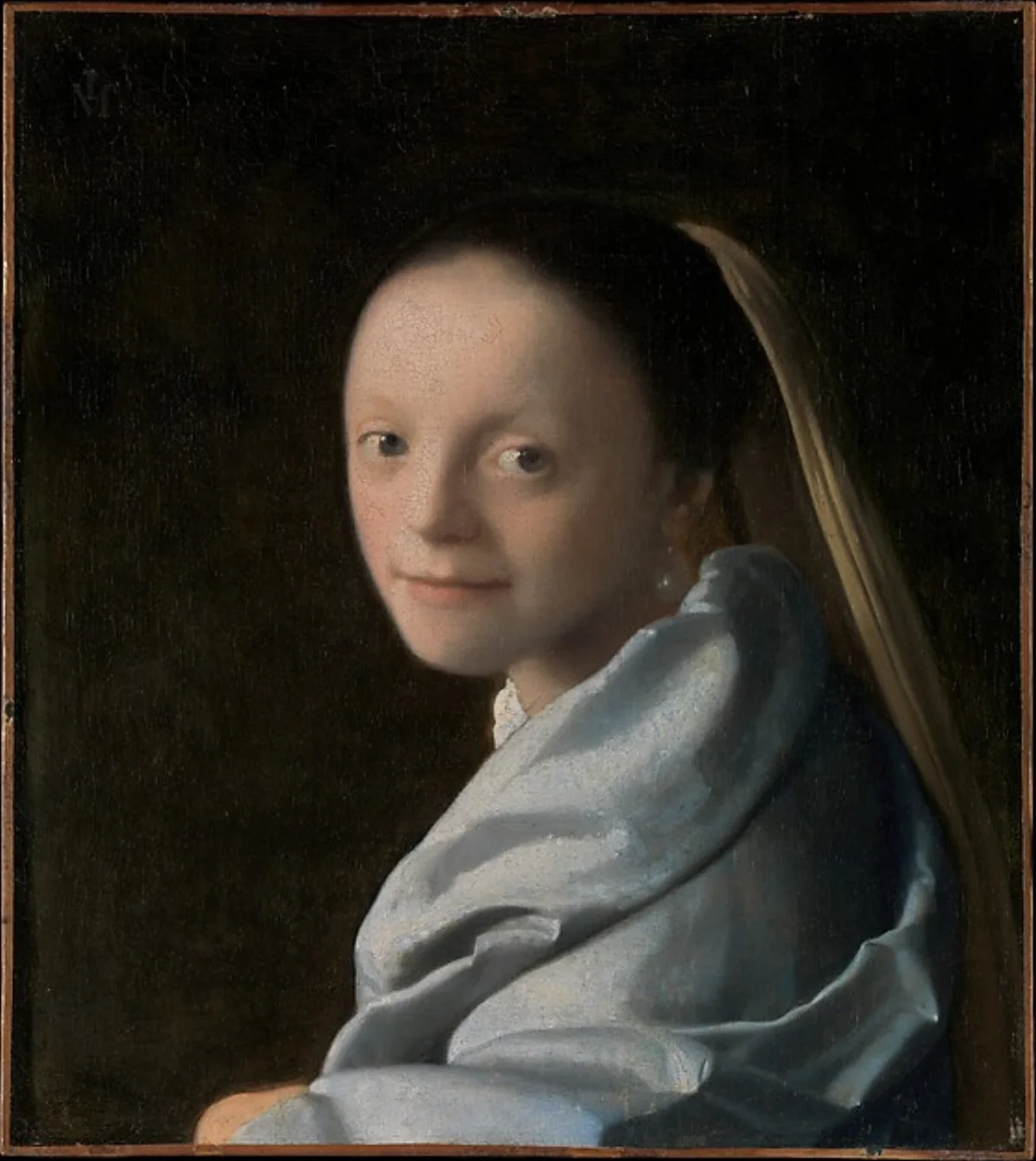
    Vermeer’s Study of a Young Woman is often approached through intimacy, but its real force may be restraint.

    The face turns toward us without offering a narrative key. The painting becomes a study in attention: what looking can know, what it cannot know, and how much pressure a viewer brings to a quiet surface.

    For students of literature, this is familiar territory. The portrait behaves almost like a lyric speaker: present, withheld, and difficult to paraphrase.

    No comments on A Vermeer Face and the Problem of Attention
  • Blake, Apocalypse, and the Illustrated Page

    May 29, 2024
    Literature, Visual Culture
    Blake, Apocalypse, and the Illustrated Page

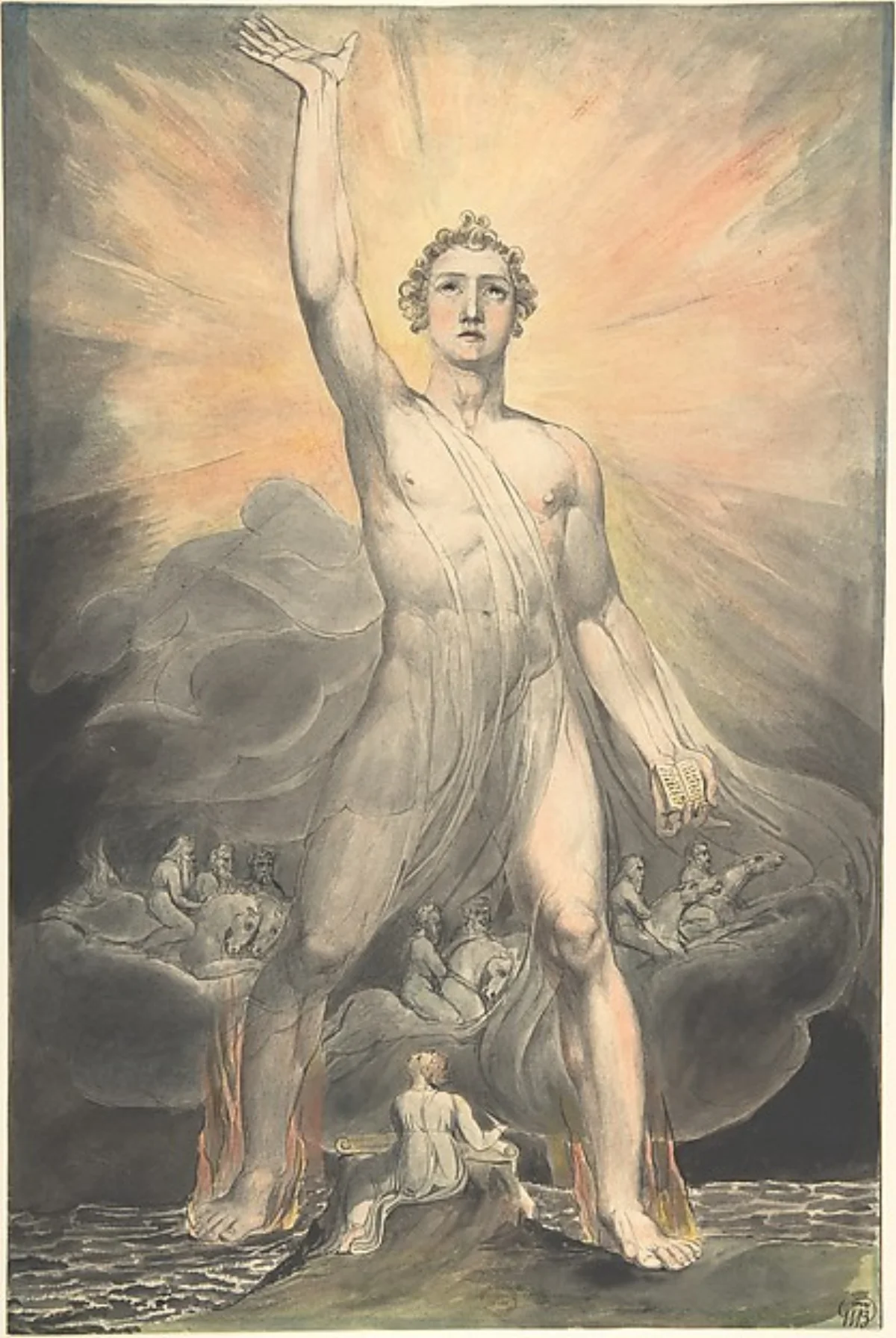
    William Blake makes interpretation difficult in the most productive way: text and image keep refusing to become separate departments.

    In Angel of the Revelation, the body is not an illustration added after doctrine. It is part of the argument, giving scale and movement to prophetic language.

    The result is a page that demands literary and visual reading at the same time.

    No comments on Blake, Apocalypse, and the Illustrated Page
  • How to Read a Passage Like a Painting

    May 21, 2024
    Close Reading, Literature

    A passage can be read for composition before it is read for theme. Where does it place attention? What does it keep in shadow? Which detail receives the strongest light?

    This does not make literature into painting. It gives the reader a disciplined way to slow down before summarizing.

    Close reading begins when description becomes evidence.

    No comments on How to Read a Passage Like a Painting
  • The Novel as a Museum of Voices

    May 16, 2024
    Literature

    A novel is not only a story moving forward. It is also an arrangement of voices, objects, rooms, letters, gestures, and silences.

    That makes it useful to think about fiction as a kind of museum, not because it preserves the past unchanged, but because it stages relationships among fragments.

    The reader’s work is curatorial as much as sequential.

    No comments on The Novel as a Museum of Voices
  • Margins, Captions, and the Scholarly Voice

    May 8, 2024
    Close Reading, Visual Culture

    Captions and margins often pretend to be secondary, but they train the reader before the main event begins.

    A title, date, medium, translation note, footnote, or wall label can change the scale of an argument. These small texts decide what kind of attention feels appropriate.

    Academic writing becomes more honest when it admits how much interpretation begins at the edge of the page.

    No comments on Margins, Captions, and the Scholarly Voice

Designed with WordPress

Testing!

    • About